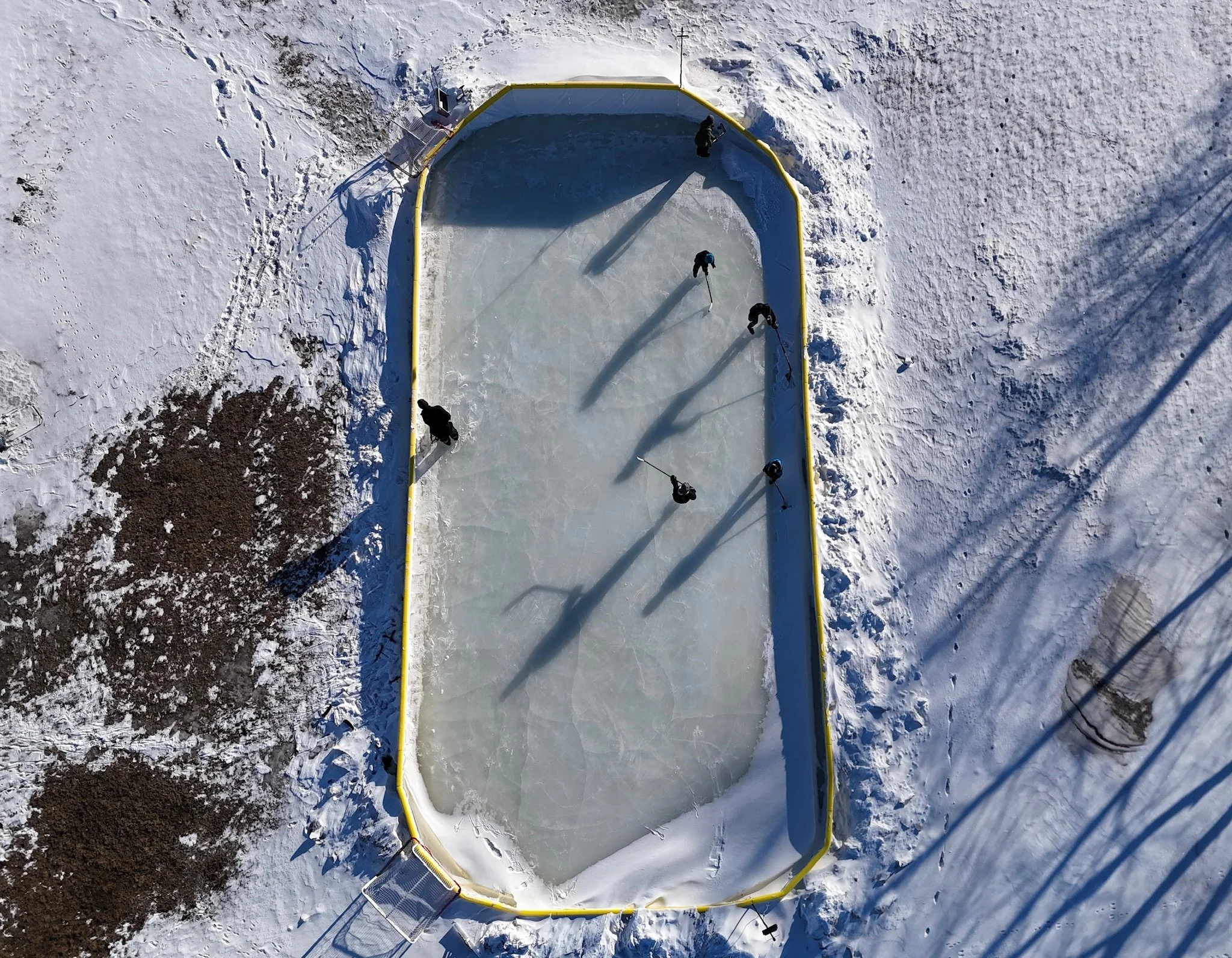
5 Backyard Ice Rink Mistakes That Will Ruin Your Ice (and How to Avoid Them)
Building a backyard ice rink seems simple—pick a spot, add water, and wait for it to freeze.
But in reality, small mistakes early on can lead to uneven ice, constant maintenance, or a rink that doesn’t last.
If you’re planning a rink this winter, avoid these common pitfalls. They’re the difference between a rink you enjoy all season—and one you fight the entire time.
If you’re just getting started, check out our complete guide on How Long Does a Backyard Ice Rink Last in Minnesota to understand what to expect from a full season.
1. Not Knowing Your Yard’s Slope
This is the mistake almost everyone makes the first time.
Your yard might look flat—but looks are deceiving. It’s common for a yard to be 8–12 inches off or more, even when it appears level.
That difference determines:
How much water you’ll need
How tall your boards must be
Whether your rink will even work
What to do instead:
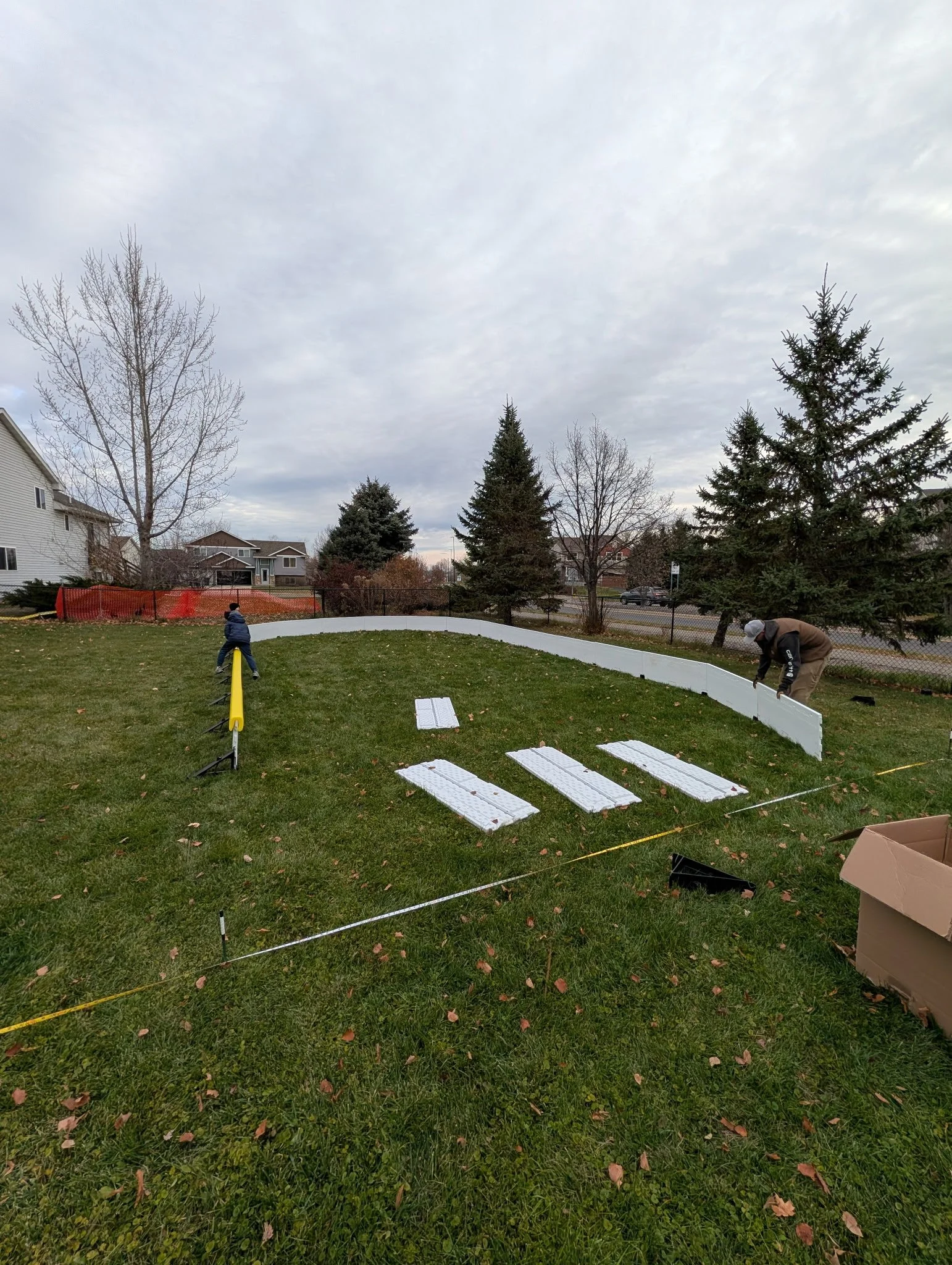
Use a laser level
If you skip this step, you’re guessing—and that usually leads to problems.
2. Not Using a Liner
There’s always someone who says you don’t need a liner.
Technically, they’re right—but only under very specific conditions:
Extremely level ground
Consistently cold temperatures
A lot of time and patience
For most homeowners, skipping the liner leads to water loss, uneven freezing, and rough ice.
What to do instead:
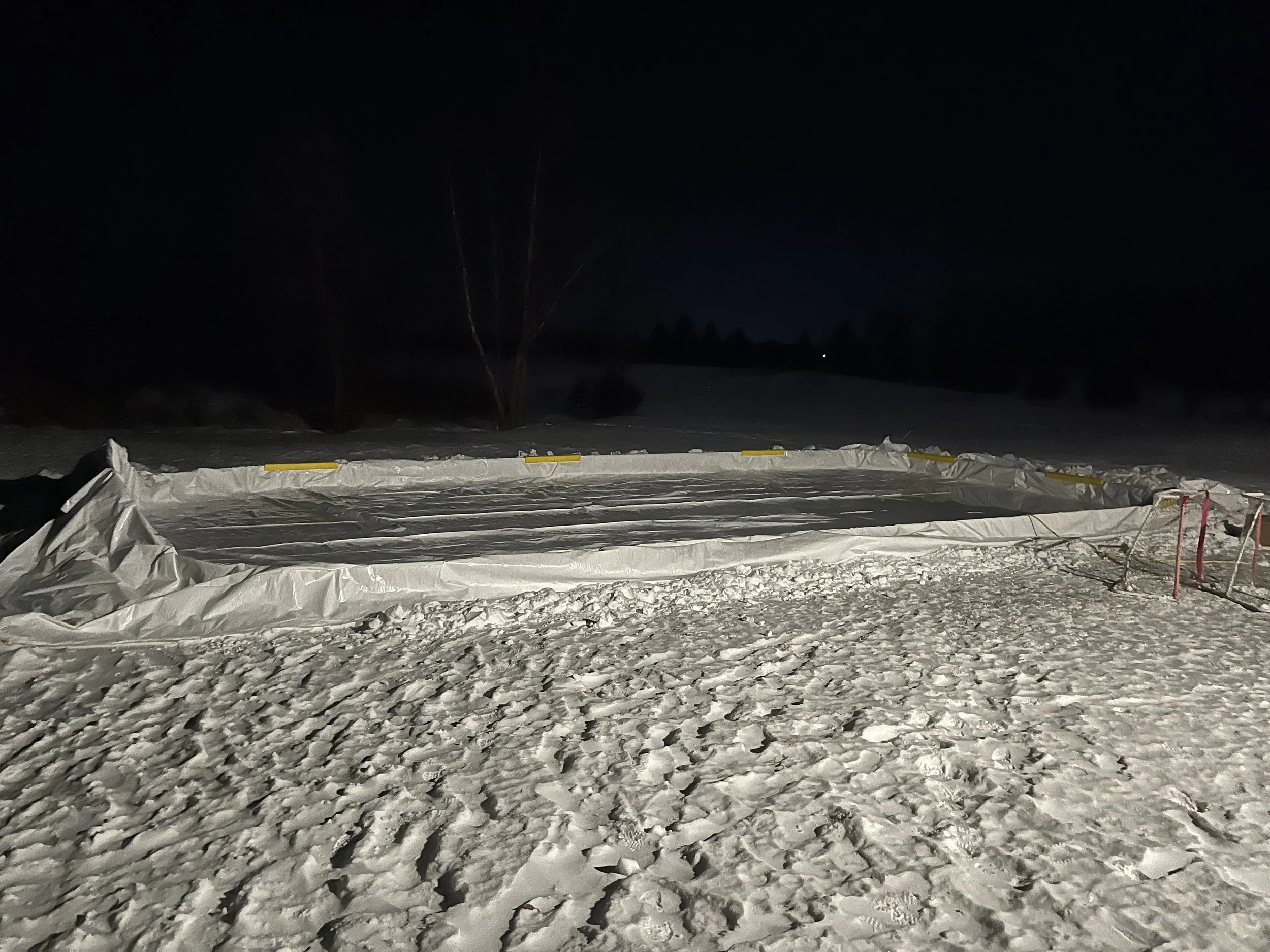
Use a proper rink liner
Make sure it’s pulled tight and wrinkle-free
If you go liner-free, just understand what you’re signing up for—it’s not the easy route.
3. Filling the Rink on the Wrong Day
Excitement ruins a lot of rinks.
The first cold day hits, and people rush to set up and start filling. But if the weather doesn’t cooperate, you can lose your progress fast.
Bad timing can mean:
Unfrozen water, filled with debrit
Snow or rain ruining your base
Wind making setup nearly impossible
What to do instead:
Wait for a solid stretch of cold temperatures
Avoid days with precipitation in the forecast
Never roll out a liner on a windy day
Patience here saves you hours of frustration later.
4. Pausing Mid-Fill
Once you start filling your liner, you need to commit to finishing it.
Stopping halfway and letting part of it freeze creates a major issue:
The first layer of ice can float
It shifts as you add more water
It can tear or stress your liner
This is one of the fastest ways to ruin a rink before you even skate on it.
What to do instead:
Start filling only when you have time to finish
Plan your water usage ahead of time
Fill to your desired level in one go
5. Falling Behind on Maintenance
A backyard rink doesn’t require a ton of work—but it does require consistency.
The biggest issue? Snow.
If snow sits too long:
It insulates the ice
Causes uneven melting and refreezing
Leads to a rough skating surface
What to do instead:
Clear snow as soon as possible after each snowfall
Do light resurfaces when needed
Stay ahead of problems instead of fixing them later
A well-maintained rink is easy. A neglected one becomes a chore.
Water temperature and freezing behavior also matter—see our comparison of Hot vs Cold Water for Ice Rinks.
Build It Right—or Skip the Headaches
There’s a reason so many people struggle with backyard rinks their first year.
It’s not that it’s impossible—it’s just that the details matter.
At Polar Bear Rinks, we’ve seen every one of these mistakes firsthand. That’s why our rental systems are designed to:
Handle slope variations
Simplify setup
Reduce maintenance
So you can spend more time skating—and less time troubleshooting.
Final Thoughts
Backyard ice rinks are worth it.
But only if they actually work.
Avoid these mistakes, plan ahead, and you’ll end up with a rink that lasts all winter—not just a few frustrating weeks.
Want a rink without the trial and error? Learn more about our rental systems and howPolar Bear Rinks makes setup simple